Michael Eugene Katz
Combining digital painting, photography and printmaking
Highlighted work
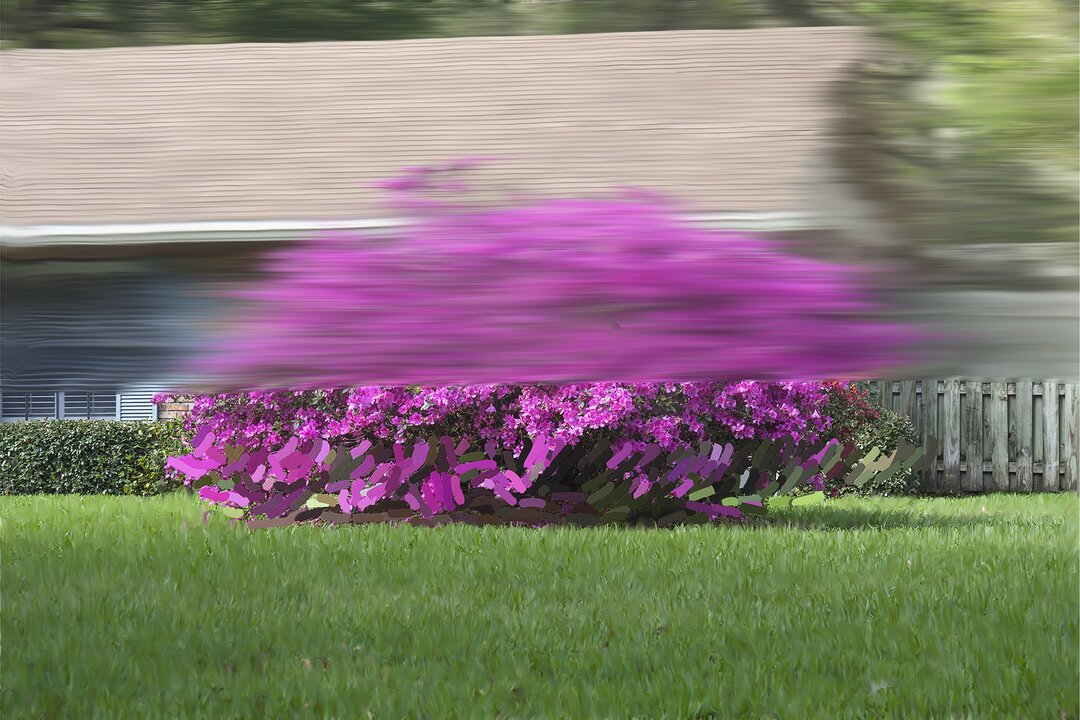
Azalea
Digital, Pigments · 39 × 26 in · 2015
$2,800
Buy this artworkNew in the studio
Recent works · 5
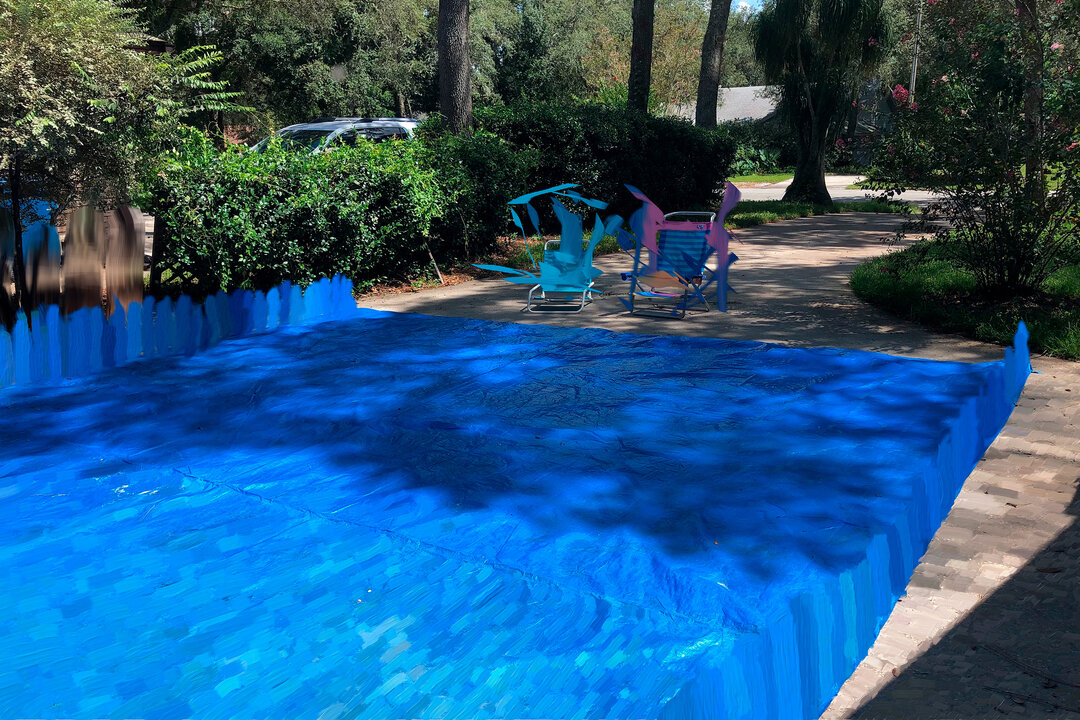


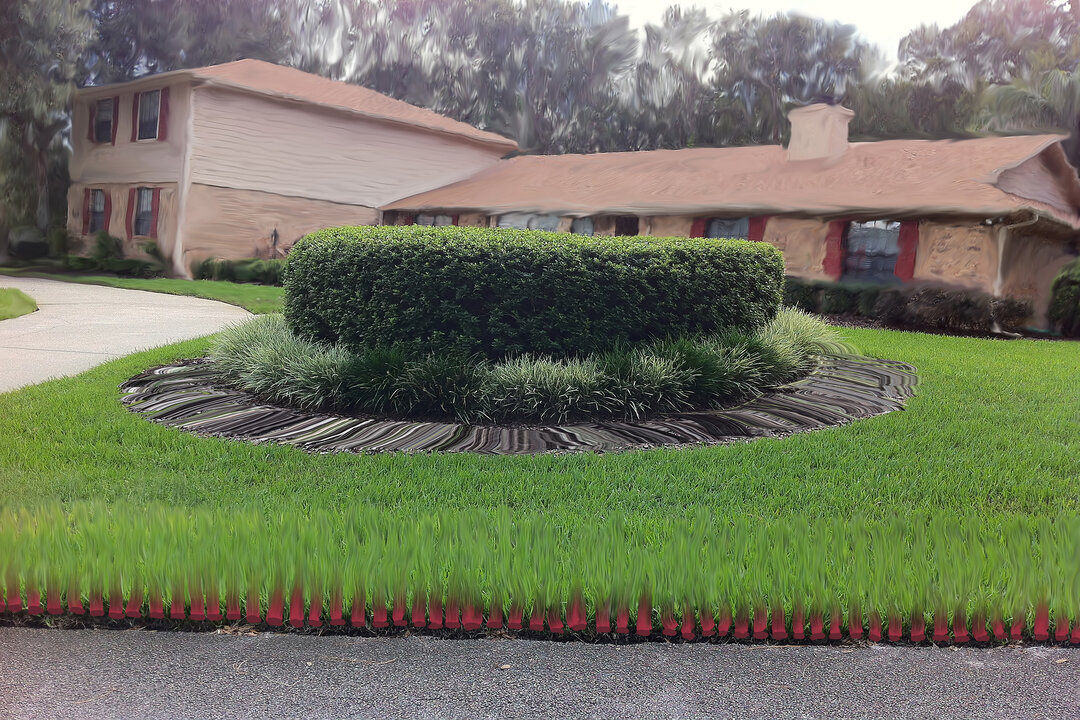
Painter, Photographer, Printmaker, Digital artist, Draftsman, Visual artist · Sanford, Florida, United States
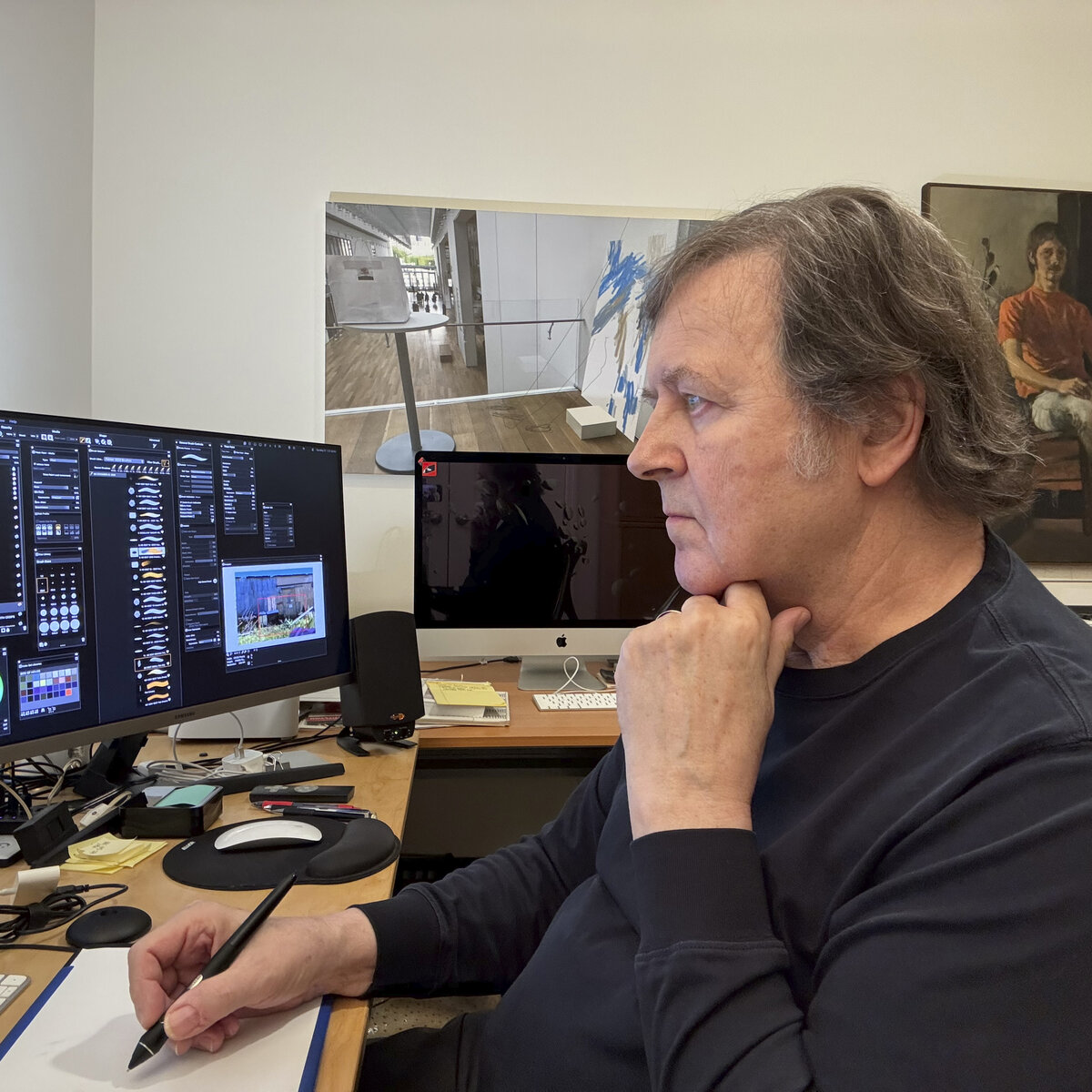
Michael Eugene Katz, a pioneering digital visual artist, blends digital painting, printmaking, and photography in unique ways, transcending traditional art mediums. His practice goes beyond storytelling and message-making by evoking questions, stimulating new thoughts, and activating viewers’ imaginations beyond what can be verbalized.
My work combines digital painting, printmaking, and photography in ways that traditional analog mediums can’t. This includes painting in multiple mutable layers and brushstrokes, which I can rearrange and combine, delete, and recover if I like. I draw on my decades of improvising by hand. To experiment. I use the unique characteristics of photography in ways not possible with photographs. I use depth of field, motion blur, light sources, and exposure. I follow my curiosity and instincts that can provoke questions. I want to show them something they and I have never seen before. I allow my instincts, serendipity, and intuition to stir up new thoughts through improvisation and provide the viewer with a new visual experience. Digital technology can perform deductive and inductive reasoning, but only humans can perform abductive reasoning. It can set the imagination working in unique ways words can’t express. Abductive reasoning can also provide viewers with unique experiences different from those when I made it.
As a child, I began drawing and painting for as long as I can remember. By my early teens, I had decided to become a commercial illustrator. I went on to study design and painting at Kent State University, earning a B.F.A. in 1969 and an M.A. in 1973.
My career took a path I didn’t expect. I started as a graphic and scenic designer at public television in Miami, which left room for a serious studio life. In those years, I made black-and-white 28 x 40 in. drawings on archival paper with an airbrush, using black ink on paper and black acrylic 42 x 60 inch paintings on canvas. They were based on my own black-and-white photographs of ordinary places, indoors and out. I manipulated the photographic characteristics like depth of field, soft focus, and long exposures, then added improvised shapes that don’t quite belong. I exhibited my work in juried and curated exhibitions in many locations in the United States. In 1976, the Miami-Dade public art program commissioned seven large paintings from me. In 1979, I received a National Endowment for the Arts Fellowship. Then, I moved to New York. My drawings were shown at the Drawing Center in 1982. The New York Times reviewer, Vivian Raynor, wrote that each one held “a form or two that is unintelligible.” I took that as a compliment - to make something for which there are no words. In 2023, my work was in the Platform Showcase, Orlando Museum of Art, Orlando, Florida, and Artfare online exhibition in New York, New York. Currently, it is online at White Columns, New York, New York.
To pay the bills in New York, I went back to design, this time in network television. At NBC, I created illustrations, motion graphics, and opening titles for the Today Show, The Nightly News, and many documentaries. In 1991, I became senior design director for HBO’s on-air promotion, and in 1998, design director at Comedy Central. That work earned me an Emmy and awards from the Society of Illustrators, the Broadcast Designers International Association, and the New York Festival. I knew how to support and enhance messages and stories visually. I use what I learned to make visual art that is a unique visual experience.
Something happened at NBC that shaped everything I make now. In 1981, I began working on the Quantel Paintbox workstation with a touch-sensitive stylus, a digital painting studio built for television production. It appeared eight years before Photoshop and could do far more than Photoshop. I could combine video frames, photographs, and hand-painted art. The “Paintbox” cost $250,000, so very few artists could experience it. I was lucky to be one of them, and I used it nearly every day for ten years. Quantel later invited me to try its newer model, and the result was my digital painting Rest Stop. All that time, I kept asking myself how digital technology could be used for personal expression. By 2000, a Mac computer, software, and a pressure-sensitive stylus allowed me to find out.
Contact
Questions about a work, a FaceTime, Zoom, or studio visit - write to me here. I answer every message personally.
Michael Eugene Katz